Reduce HVAC energy consumption without replacing your existing system.

Bumi.Earth helps commercial buildings lower electricity cost through intelligent demand-based control, measured savings and a clear business case for implementation.

Free 14-day proof of concept · Site-specific baseline · Zero-CAPEX option where suitable

Live HVAC energy flow

Demand matched

Building demand

61%

Conditions change throughout the day

Bumi.Earth DCD

Calculating demand

Sense · learn · regulate

Optimised HVAC

64% output

Output follows measured demand

Building demand is measured, Bumi.Earth DCD calculates the required response, and compatible HVAC output is regulated to match demand.

01

Sense

02

Calculate

03

Regulate

04

Verify

The commercial case

The buyer is not purchasing a control device. They are purchasing a measurable result.

Bumi.Earth starts with the operational and financial outcome: lower electricity use, stable building conditions and evidence that technical and finance teams can evaluate together.

Lower energy cost

Reduce avoidable HVAC electricity consumption.

Measured savings

Compare performance against an agreed baseline.

Stable conditions

Optimise output without compromising required comfort.

Clear ROI

Connect energy performance to investment and payback decisions.

How DCD works

Demand-based control for the HVAC equipment you already operate.

DCD reads changing conditions, calculates the required response and regulates compatible variable-speed equipment continuously. The proprietary technology sits underneath a broader energy-optimisation service.

Assess your HVAC system

DCD control sequence

Continuous closed loop

Active
01

Sense

Read temperature, load and operating conditions.

02

Learn

Build an operating model from measured response.

03

Regulate

Match compatible equipment output to demand.

04

Verify

Track performance against the agreed baseline.

Estimate the opportunity

Turn the electricity bill into a first-pass business case.

The calculator separates the estimated HVAC portion of the bill and models an optimisation range. The free assessment then replaces assumptions with measured site data.

  • Useful for early budgeting
  • Relevant to owners, CFOs and facility teams
  • Followed by a measured 14-day baseline

HVAC savings calculator

Model the size of the opportunity.

Adjust the assumptions to reflect your building.

Est. HVAC cost

RM 82,500/mo

Potential monthly saving

RM 12,375

Potential annual saving

RM 148,500

Illustrative estimate only. Actual HVAC share, achievable reduction, investment and payback are established through the site assessment and measured baseline.

Request a detailed assessment

Case studies

The engineer sees validation. The CFO sees value.

Reported DCD outcomes from Malaysian retail and commercial properties.

Exterior of NU Sentral shopping centre in Kuala Lumpur

Shopping centre

NU Sentral, Kuala Lumpur

51.8%

total average savings

Before DCD100 index
After DCD48.2 index

Normalised index derived from the reported saving percentage; not absolute kWh.

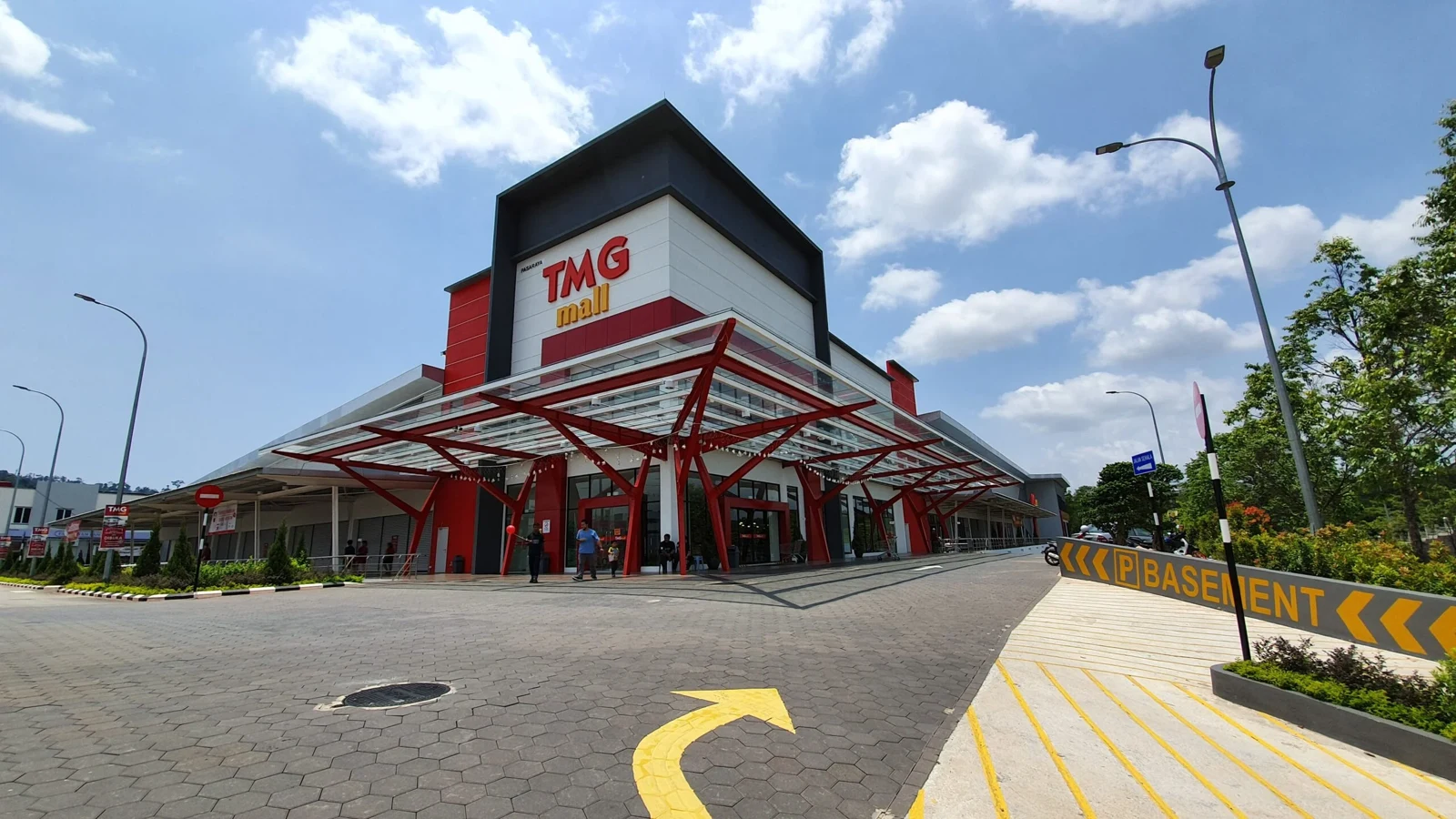
TMG Mall at Bandar Indera Mahkota in Kuantan

Retail mall

TMG Mall, Bandar Indera Mahkota

61.55%

daily power reduction, up to

Before DCD100 index
After DCD38.5 index

Normalised index derived from the reported saving percentage; not absolute kWh.

KOMTAR tower and surrounding George Town cityscape in Penang

Commercial complex

KOMTAR, Penang

45.4%

daily power reduction

Before DCD100 index
After DCD54.6 index

Normalised index derived from the reported saving percentage; not absolute kWh.

Results are deployment-specific and do not guarantee future savings. Every site is validated against measured baseline data.

Best-fit buildings

Large HVAC loads. Long operating hours. High electricity spend.

The strongest opportunities are typically owner-operated buildings where the party approving the project also captures the energy savings.

TMG Mall at Bandar Indera Mahkota in Kuantan, Pahang

Malls

Large cooling loads and long operating hours

Hilton Kuala Lumpur hotel in Kuala Lumpur, Malaysia

Hotels

Demand shifts with occupancy and guest activity

Hospital Seberang Jaya medical facility in Penang

Hospitals

Continuous operation and critical comfort needs

University of Nottingham Malaysia campus in Semenyih, Selangor

Universities

Multiple buildings, zones and schedules

KOMTAR office tower in George Town, Penang

Office towers

Variable occupancy across the working day

Tea processing machinery at a factory in Cameron Highlands, Pahang

Factories

Process and comfort cooling at industrial scale

Ministry of Finance Malaysia complex in Putrajaya

Government buildings

Efficiency, reporting and public-sector targets

EECA 2024 readiness

Is your building ready for Malaysia’s energy-intensity requirements?

EECA 2024 and its regulations took effect on 1 January 2025. For buildings within scope, readiness is a sequence of clear responsibilities—not a single audit at the end.

01

Confirm scope

Review whether the building falls within the applicable criteria and identify the responsible stakeholders.

02

Display the label

Applicable buildings must apply for, renew and display an Energy Intensity Label.

03

Maintain performance

The minimum two-star performance requirement applies from the fifth year after the first label.

04

Audit and improve

If notified of non-compliance, appoint a Registered Energy Auditor and prepare the required report and improvement plan.

Where Bumi.Earth supports the work: measure HVAC performance, identify addressable waste and keep implemented improvements visible.

Bumi.Earth is not a regulator. This is general information and does not replace statutory guidance or advice from a Registered Energy Manager or Registered Energy Auditor.

Solutions

An energy-optimisation company, not just a DCD installer.

DCD is the proprietary control technology underneath a wider service spanning measurement, optimisation, connected operations and implementation planning.

01

HVAC optimisation

Demand Control Drive

Intelligent demand-based control that regulates compatible variable-speed equipment without replacing the existing HVAC system.

  • Real-time demand response
  • Self-optimising logic
  • 20-second auto-reset
02

Measurement and verification

Enerlytics

Live power data, equipment trends and a transparent record of performance against the agreed baseline.

  • Live dashboards
  • Historical trends
  • Savings verification
03

Connected operations

Smart Building Systems

Sensing and integration that bring fragmented building information into a clearer operating picture.

  • IoT sensing
  • System integration
  • Remote visibility
04

Technical and commercial planning

Energy Efficiency Advisory

Engineering guidance that turns energy, ESG and operational targets into a measured implementation programme.

  • Energy assessment
  • Improvement roadmap
  • ROI-led delivery

Project pathway

From first assessment to verified savings.

Each stage produces a clear output, allowing technical, financial and operational stakeholders to make the next decision with evidence.

01

Assess

Review the building, operating profile, HVAC plant and available information.

02

Baseline

Measure actual performance through a 14-day proof of concept.

03

Business case

Quantify the opportunity, implementation scope and commercial route.

04

Verify

Deploy the solution and keep results visible through measurement and verification.

Channel partnerships

Bring measured HVAC optimisation into your client work.

Bumi.Earth works alongside professionals who already advise and operate complex buildings.

Connect With Us

Energy auditors

Add measured HVAC optimisation opportunities to audit findings and recommendations.

Registered Energy Managers

Turn identified energy waste into a practical, trackable improvement programme.

ESCO companies

Support performance-led projects with demand-based control and visible results.

M&E consultants

Specify an optimisation layer around compatible existing HVAC equipment.

HVAC contractors

Extend service relationships with measured energy-performance improvements.

Facility management companies

Improve portfolio performance without replacing the building’s core systems.

Commercial building systems supported by Bumi.Earth engineering

Engineering-led implementation

Designed for real operating buildings

About Bumi.Earth

Intelligent HVAC energy optimisation for commercial buildings.

BUMIDOTEARTH is a Malaysian building-technology company focused on practical energy performance. We combine engineering, connected technology and commercial thinking to make efficiency projects easier to prove and implement.

Our work begins with the way a building actually operates: measure the condition, identify the addressable load, build the business case and keep results visible after deployment.

Measured first

Evidence before commitment

Building-specific

Designed around existing plant

Performance-led

Results kept visible

Common questions

What owners, finance teams and engineers ask first.

A practical introduction to DCD, measurement and the assessment process.

No. DCD is designed as an intelligent control layer for compatible variable-speed equipment. Bumi.Earth assesses the existing plant, controls and measurement points before recommending a deployment approach.

Free HVAC energy assessment

Find out how much your HVAC system could be wasting.

Share the building profile and your latest electricity-bill information. Bumi.Earth will review the likely opportunity and recommend the next technical step.

Free HVAC energy assessment

Provide the information you have. Your engineers can confirm the rest during discovery.

Submitting prepares an email to hello@bumidotearth.com. Have a recent electricity bill ready to attach when your email application opens. Your details are not stored on this website.